How Direct Lithium Extraction could reshape global energy markets, supply chains, and the low-carbon transition
As the global race toward electrification accelerates, lithium has become one of the most critical resources underpinning the energy transition. What is changing in 2026 is who extracts it-and how. Increasingly, the world’s largest oil and gas companies are positioning themselves at the centre of lithium production through Direct Lithium Extraction (DLE), transforming a traditional waste stream into a future-facing revenue engine.
For Big Oil, lithium is no longer a peripheral opportunity. It is fast becoming a strategic bridge between fossil-era capabilities and the clean-energy economy.
From Produced Water to Strategic Resource
Lithium is essential for electric vehicle (EV) batteries and battery energy storage systems (BESS), yet global supply remains highly concentrated. Today, 77% of raw lithium comes from just three countries, while over 70% of refining capacity sits in China. This imbalance has triggered global concern over energy security, supply resilience, and geopolitical exposure.
DLE offers a compelling alternative.
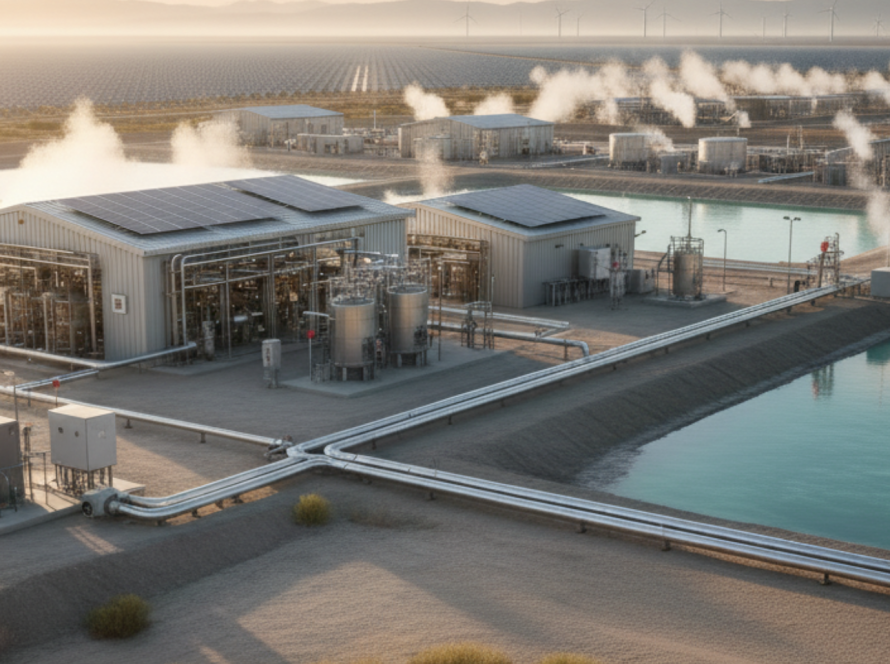
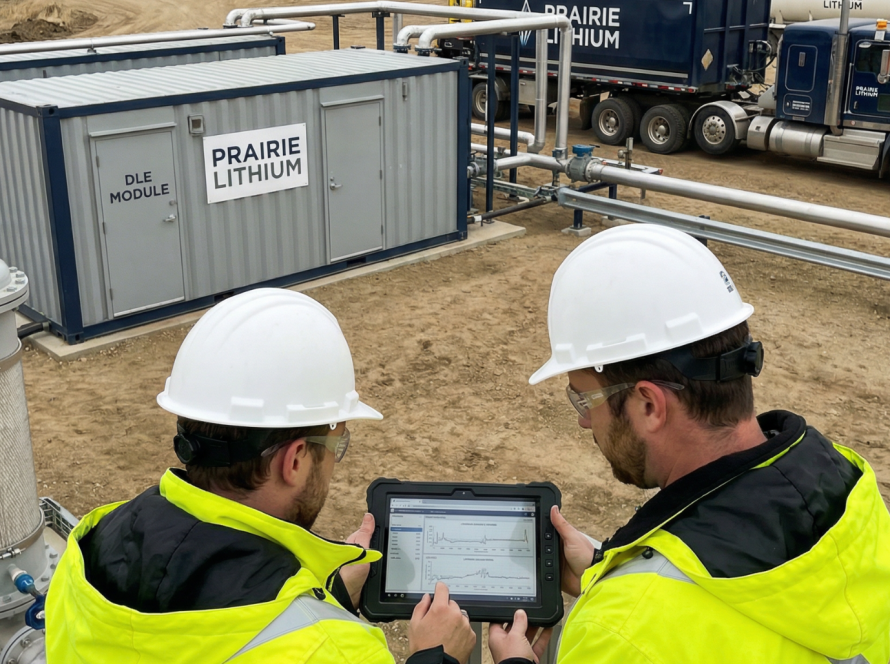
By applying advanced separation technologies-such as ion exchange, adsorption, solvent extraction, and membrane filtration-lithium can be extracted directly from oilfield wastewater and geothermal brines in hours or days, rather than the months or years required by traditional evaporation ponds.
For oil and gas majors, this represents a natural adjacency:
- Existing subsurface expertise
- Large volumes of produced water already being handled
- Established infrastructure, permitting experience, and capital access
In effect, lithium can be produced without building entirely new mining operations, significantly shortening time-to-market.
Why DLE Changes the Global Lithium Equation
Direct Lithium Extraction delivers three advantages that matter at a global scale:
- Higher Recovery Rates
DLE can recover 80–90% of lithium, compared to 30–50% using conventional methods. - Lower Environmental Impact
Reduced land use, lower water consumption, and fewer emissions align DLE with tightening ESG and regulatory expectations worldwide. - Speed and Flexibility
Production cycles measured in days, not years, allow supply to respond more dynamically to EV and storage demand.
While DLE currently accounts for just ~11% of global lithium output, analysts project oilfield and geothermal brines could add 110,000 tonnes of lithium carbonate equivalent annually by 2035-a meaningful contribution as the world faces a looming supply gap.
Big Oil Moves In
Major energy players are already acting.
- ExxonMobil, Chevron, and Equinor are advancing DLE projects in the Smackover Formation across Texas and Arkansas, targeting commercial-scale production by 2027.
- ExxonMobil’s Mobil Lithium aims to supply enough lithium for over one million EVs by 2030, supported by offtake agreements with battery manufacturers.
- Equinor and Standard Lithium are developing high-grade lithium projects in East Texas.
- Occidental, Albemarle, and LibertyStream are demonstrating recovery rates approaching 99% in North America.
- Projects are also scaling in Canada, Argentina, Europe, and the Middle East, signalling global momentum.
For Big Oil, lithium represents a lower-risk diversification pathway-leveraging assets already generating cash flow while building exposure to long-term growth markets.
The Strategic Tension: Price Cycles vs Long-Term Demand
Lithium prices have fallen sharply-down nearly 80% since 2022-due to near-term oversupply and slower EV growth in select markets. Yet this masks a deeper structural reality.
Analysts warn of:
- Significant lithium deficits emerging by 2029
- Multi-million-tonne annual shortfalls by 2040 as EV adoption and grid-scale storage accelerate
As with oil and gas, underinvestment during downcycles risks severe shortages later. DLE’s faster development timelines make it uniquely suited to close future supply gaps-particularly as EV demand resumes its long-term upward trajectory.
Geopolitics, Energy Security, and the New Lithium Map
DLE also carries major geopolitical implications.
Countries with mature oil and gas sectors-including the US, Canada, Saudi Arabia, and parts of Europe-can now convert domestic brine resources into strategic battery materials, reducing reliance on foreign supply chains.
For governments, this aligns with:
- Critical mineral security strategies
- Industrial policy and domestic manufacturing goals
- Lower-carbon pathways that do not require greenfield mining
In this context, lithium extraction is no longer just a mining story-it is an energy security and industrial competitiveness issue.
Read about: Canada’s investment in Mangrove Lithium, signaling Direct Lithium Extraction as a turning point for the global battery supply chain.
The Executive Takeaway
Direct Lithium Extraction is not a silver bullet. It still faces challenges around scale-up, cost optimization, regulatory alignment, and impurity management. However, its strategic significance is undeniable.
For Big Oil, DLE represents:
- A credible route into the clean energy value chain
- A way to monetize existing assets in a decarbonizing world
- A seat at the table in shaping the future of mobility and energy storage
As lithium markets undergo what analysts describe as “tectonic shifts,” those who integrate early-across energy, chemicals, and batteries-will define the next era of global energy leadership.